Explore the century-long journey of BMW's automotive innovation, engineering excellence, and visionary design that revolutionized the luxury car industry.
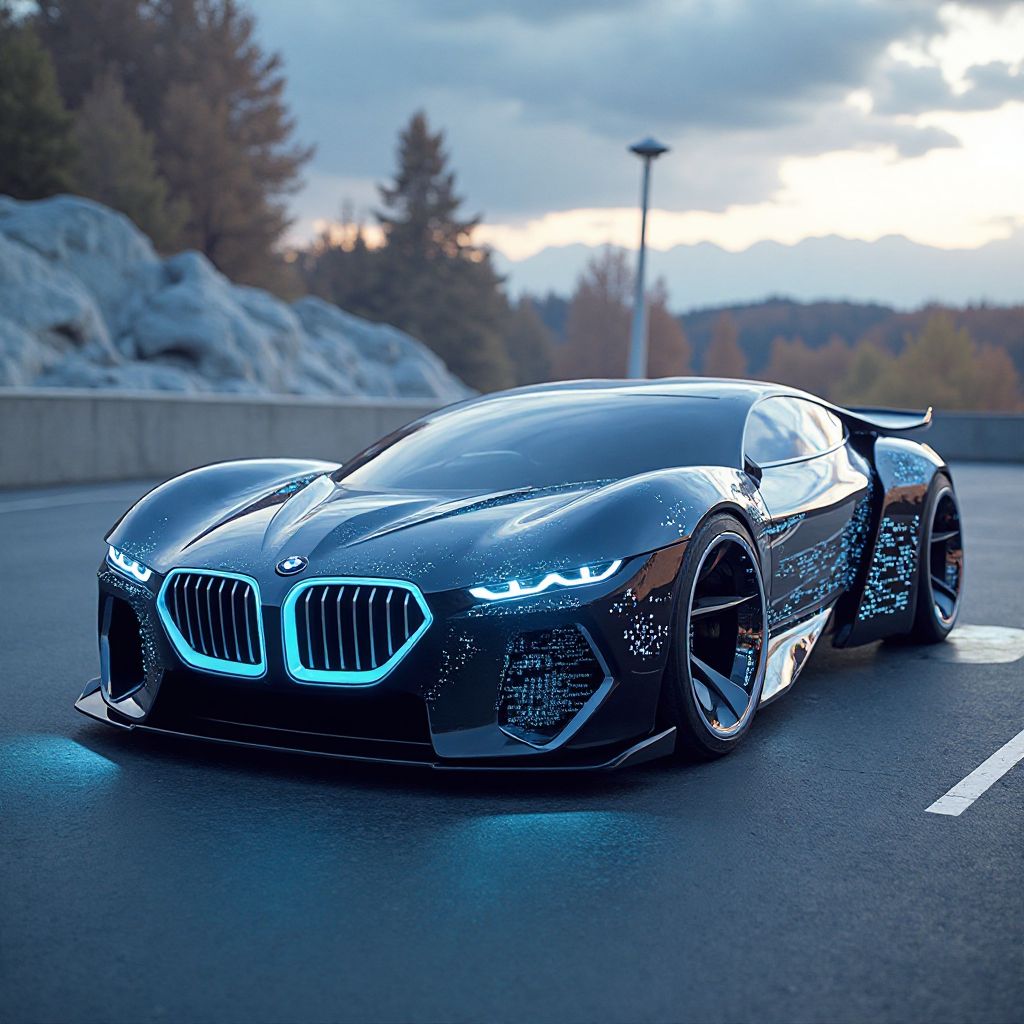
Since its founding in 1916, BMW has consistently embraced a forward-thinking philosophy that transformed a small aircraft engine factory into one of the world's most prestigious automotive brands. The company's vision has always been centered around combining luxury with performance, creating vehicles that deliver both emotional driving experiences and technological advancement.
Through the decades, BMW has anticipated industry shifts, from the post-war transition to automobile manufacturing to the digital revolution of the 21st century. The company's foresight was particularly evident in the introduction of the BMW i sub-brand in 2011, which positioned BMW at the forefront of sustainable mobility long before electric vehicles became mainstream.
Looking toward 2026, BMW continues to embrace its visionary approach with the development of autonomous driving technologies, sustainable manufacturing practices, and digital integration that redefines the relationship between driver and automobile. The company's ability to maintain its core identity while evolving with changing times exemplifies its enduring vision of "sheer driving pleasure" in every era.
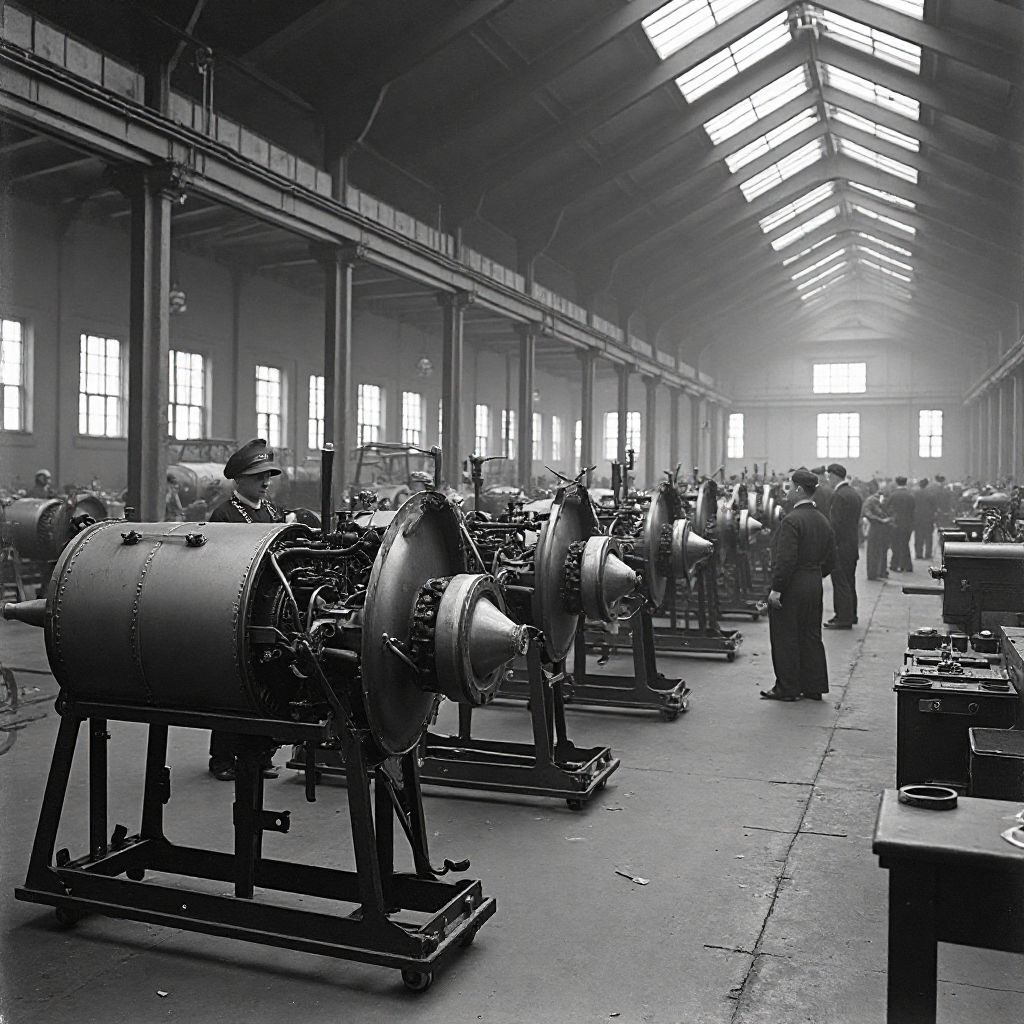
BMW's history began in 1916 as Bayerische Flugzeugwerke AG (Bavarian Aircraft Works), initially manufacturing aircraft engines during World War I. The iconic blue and white circular logo, representing a rotating propeller against the Bavarian sky, was established during this period. After restrictions imposed by the Treaty of Versailles, BMW shifted focus, acquiring Automobilwerk Eisenach in 1928 and producing its first car, the BMW 3/15 PS "Dixi," a licensed version of the Austin Seven. This transition from aviation to automobiles marked the beginning of BMW's automotive legacy, setting the foundation for a century of innovation.
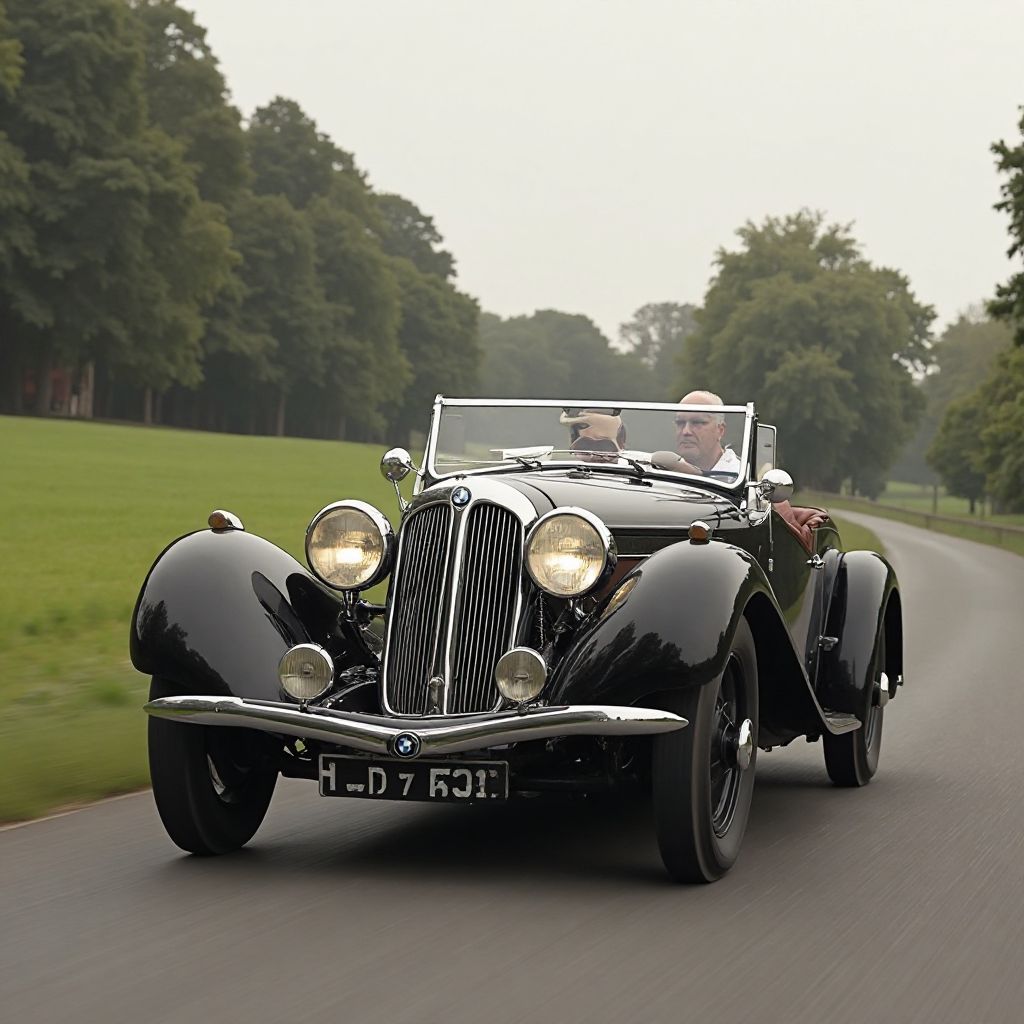
The 1930s represented BMW's first golden age with the introduction of legendary models like the BMW 328 sports car, which dominated motorsport competitions. With its lightweight design and innovative engineering, the 328 achieved remarkable racing success, including a class win at the 1939 24 Hours of Le Mans. World War II dramatically altered BMW's trajectory, with factories repurposed for military production and subsequently heavily damaged by Allied bombing. The post-war period brought existential challenges, with BMW nearly being acquired by Mercedes-Benz in 1959. The company's survival and eventual resurgence from this dark period demonstrated the resilience that would become characteristic of the brand throughout its history.
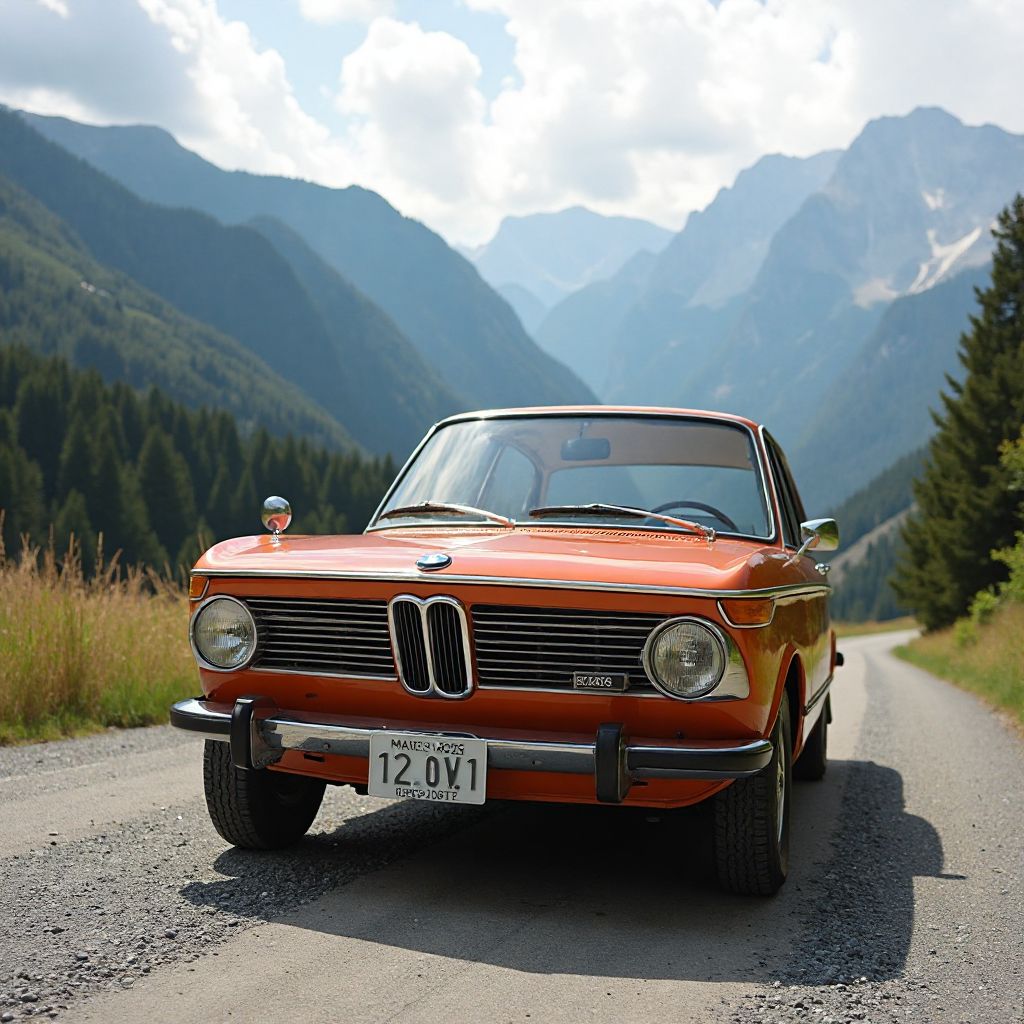
BMW's modern identity was forged through the "Neue Klasse" (New Class) models introduced in the 1960s. The BMW 1500, followed by the iconic 2002, established the sports sedan category that would become BMW's hallmark. These vehicles featured the company's distinctive design elements like the kidney grille and driver-focused cockpit that continue to define BMW aesthetics today. The financial investment from Herbert Quandt in 1959 proved pivotal, saving the company from acquisition and enabling this transformative product line. The Neue Klasse's commercial success established BMW as a manufacturer of premium performance vehicles that delivered both luxury and driving dynamics, permanently shifting the company's market position upward.
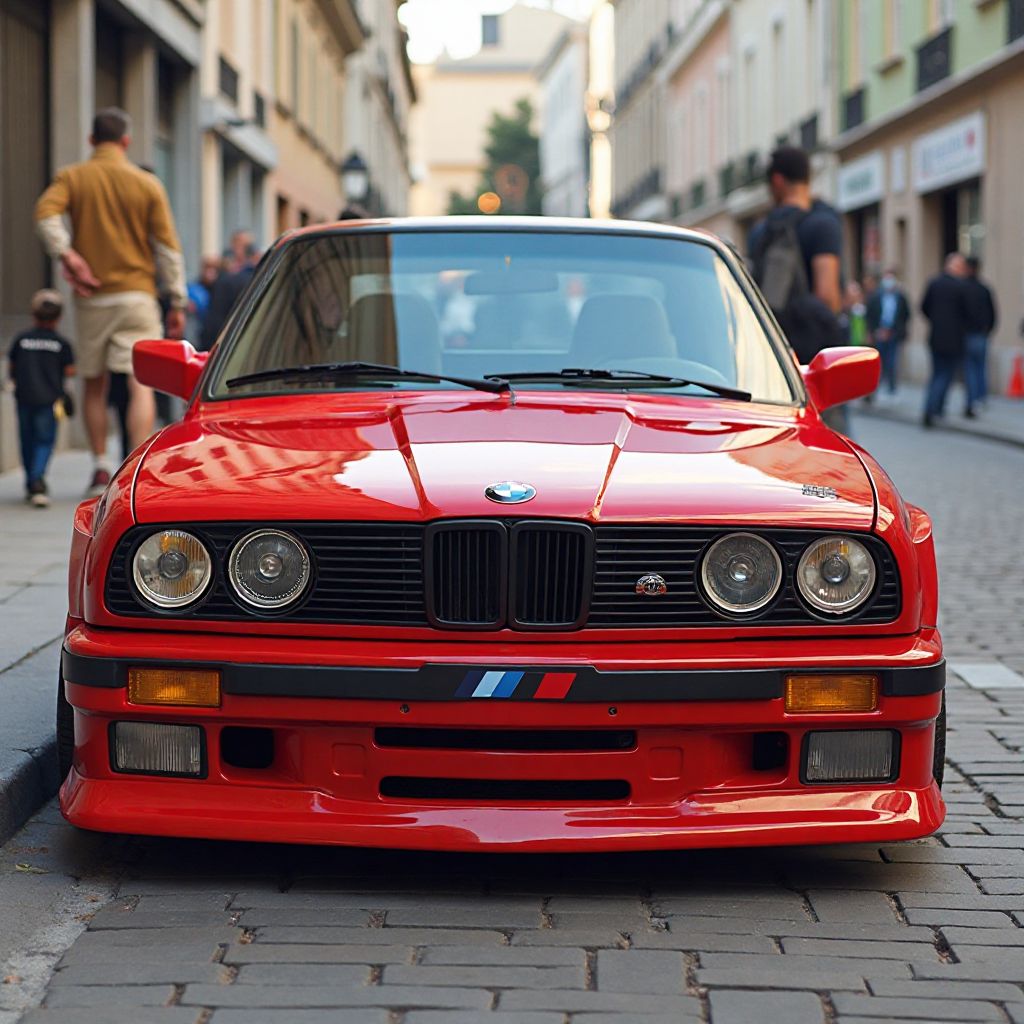
The 1970s and 1980s witnessed BMW's ascendance as a global luxury performance brand, highlighted by the foundation of BMW M GmbH in 1972. Initially created to support BMW's racing program, the M division soon began developing high-performance street-legal vehicles. The first-generation M3 (E30) introduced in 1986 became an instant classic, dominating touring car racing while offering enthusiasts racecar dynamics in a practical package. This period also saw BMW expand its model range with the introduction of the 7 Series, establishing the company's presence in the ultra-luxury segment. These decades cemented BMW's reputation for engineering excellence and driver-focused vehicles, positioning "The Ultimate Driving Machine" slogan as more than marketing—it became the company's defining philosophy.
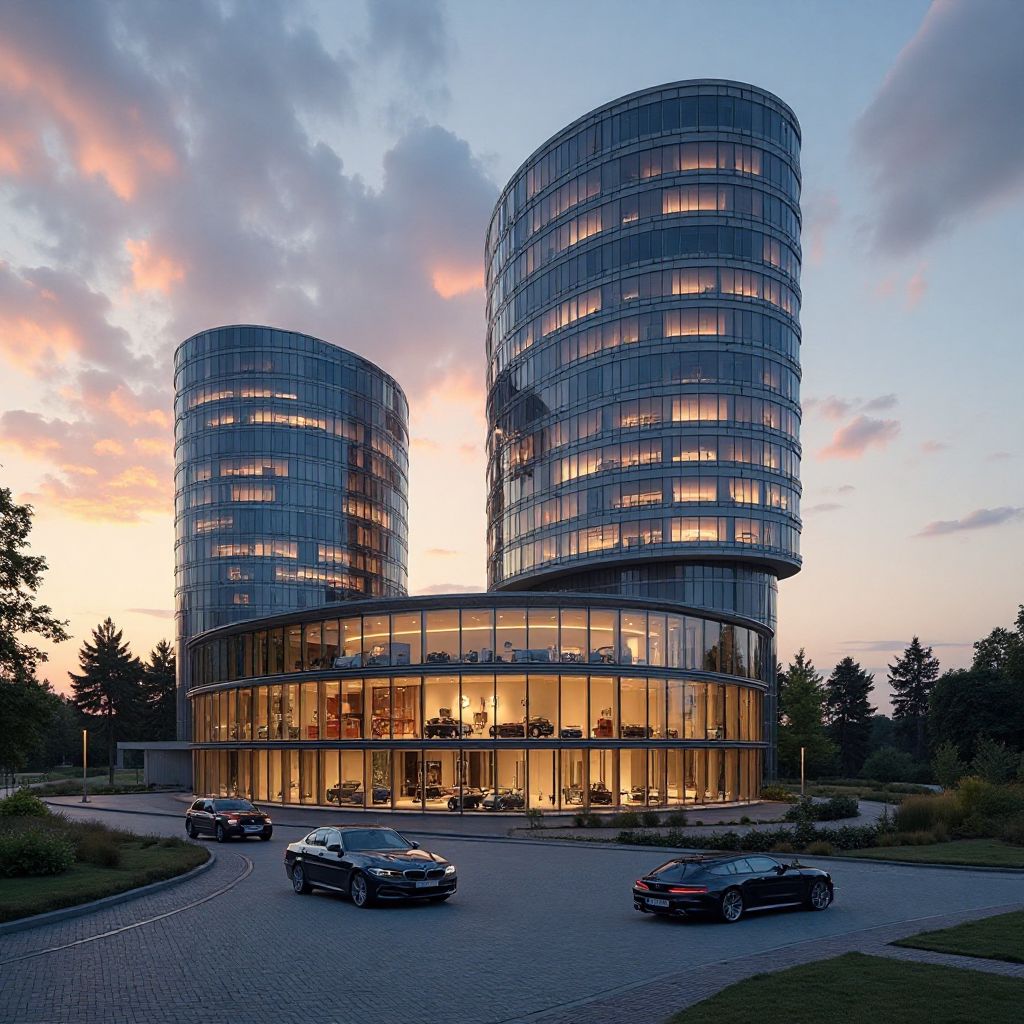
BMW underwent significant portfolio expansion in the 1990s and 2000s, acquiring the MINI brand and Rolls-Royce Motor Cars while introducing its first SUV, the X5, in 1999. This strategic diversification allowed BMW to address multiple market segments while maintaining its performance DNA across all product lines. The company pioneered premium compact vehicles with the 1 Series and revolutionized car interfaces with the introduction of iDrive in 2001. During this period, BMW also established manufacturing facilities worldwide, including the Spartanburg plant in South Carolina, which became the largest BMW production facility globally. This era of expansion demonstrated BMW's ability to grow beyond its traditional market segments while maintaining the brand's core values and premium positioning.
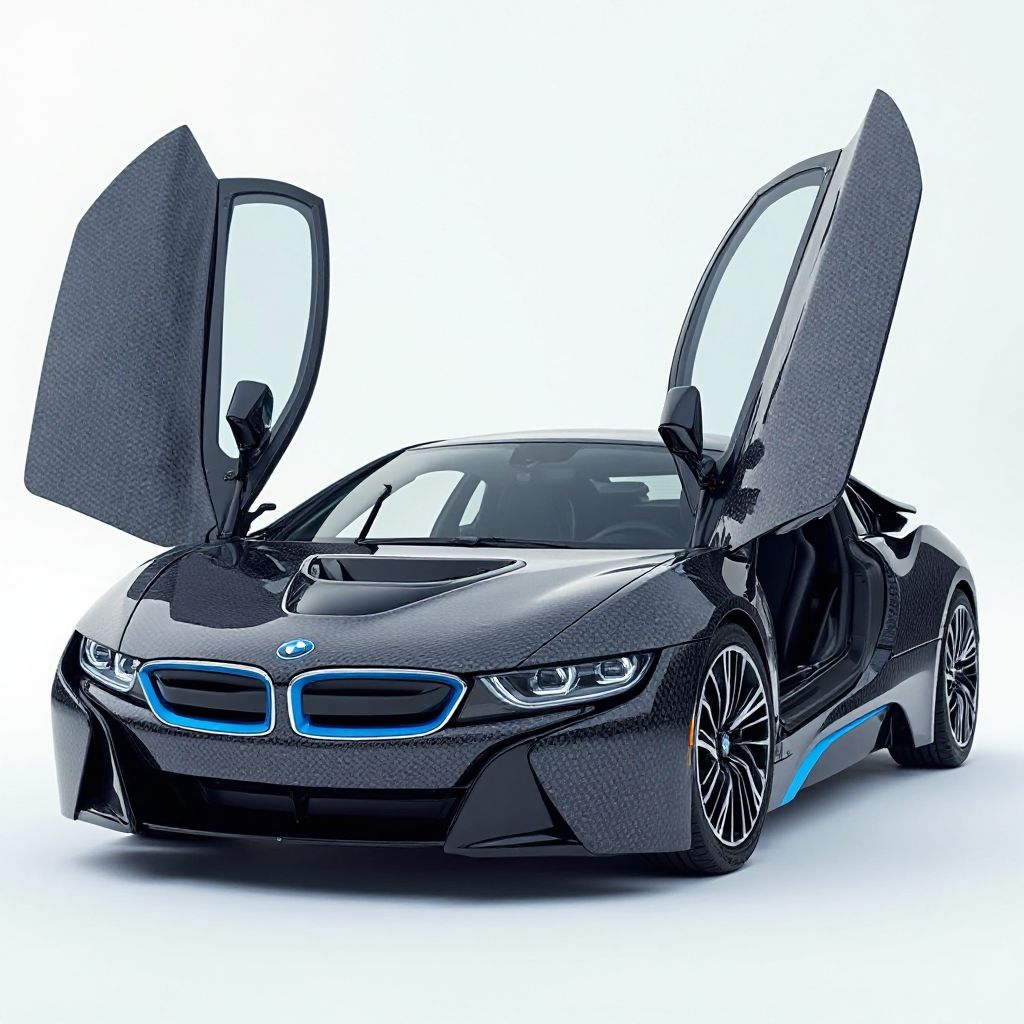
The 2010s marked BMW's bold entry into electromobility with the establishment of the BMW i sub-brand. The revolutionary i3 electric city car and i8 plug-in hybrid sports car showcased BMW's commitment to sustainable mobility without compromising performance or design excellence. These vehicles introduced groundbreaking manufacturing techniques, including carbon fiber reinforced polymer (CFRP) passenger cells and sustainable production methods. This decade also saw BMW embrace connectivity and digital services, transforming vehicles into integrated mobility platforms. Despite industry skepticism, BMW's early investment in electrification laid crucial groundwork for the company's future in an increasingly electrified automotive landscape, demonstrating the company's willingness to pioneer technologies that would eventually become industry standards.
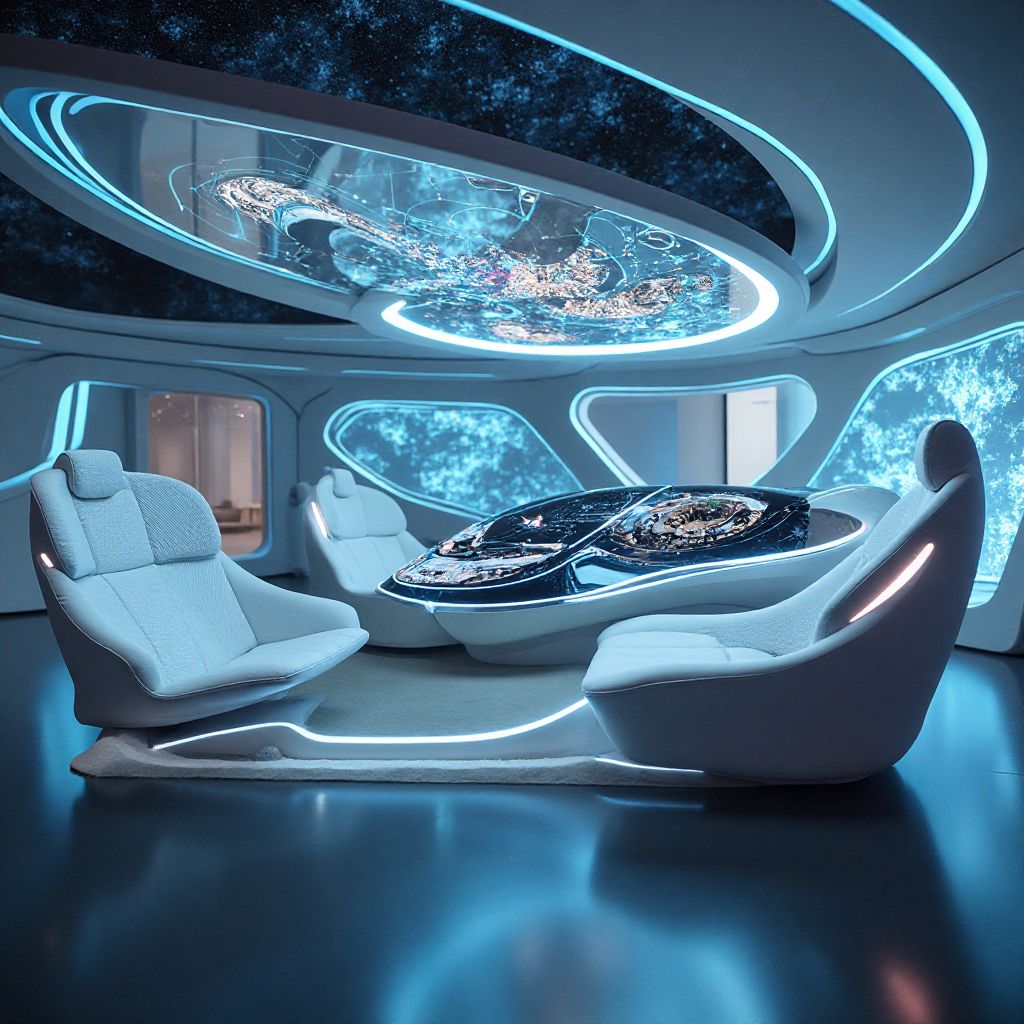
As BMW approaches its 110th anniversary in 2026, the company is in the midst of its most profound transformation. The "Power of Choice" strategy offers customers conventional combustion engines, plug-in hybrids, and fully electric vehicles across model lines. The innovative iX flagship electric SUV and i4 electric gran coupe represent BMW's next-generation approach to electrification, with enhanced range and charging capabilities. Concurrently, BMW continues developing autonomous driving technologies while exploring sustainable manufacturing and circular economy principles. Looking toward 2026, BMW appears committed to balancing its heritage of driving pleasure with the environmental responsibilities and digital integration demands of the modern era, ensuring the company remains relevant and innovative in its second century of existence.
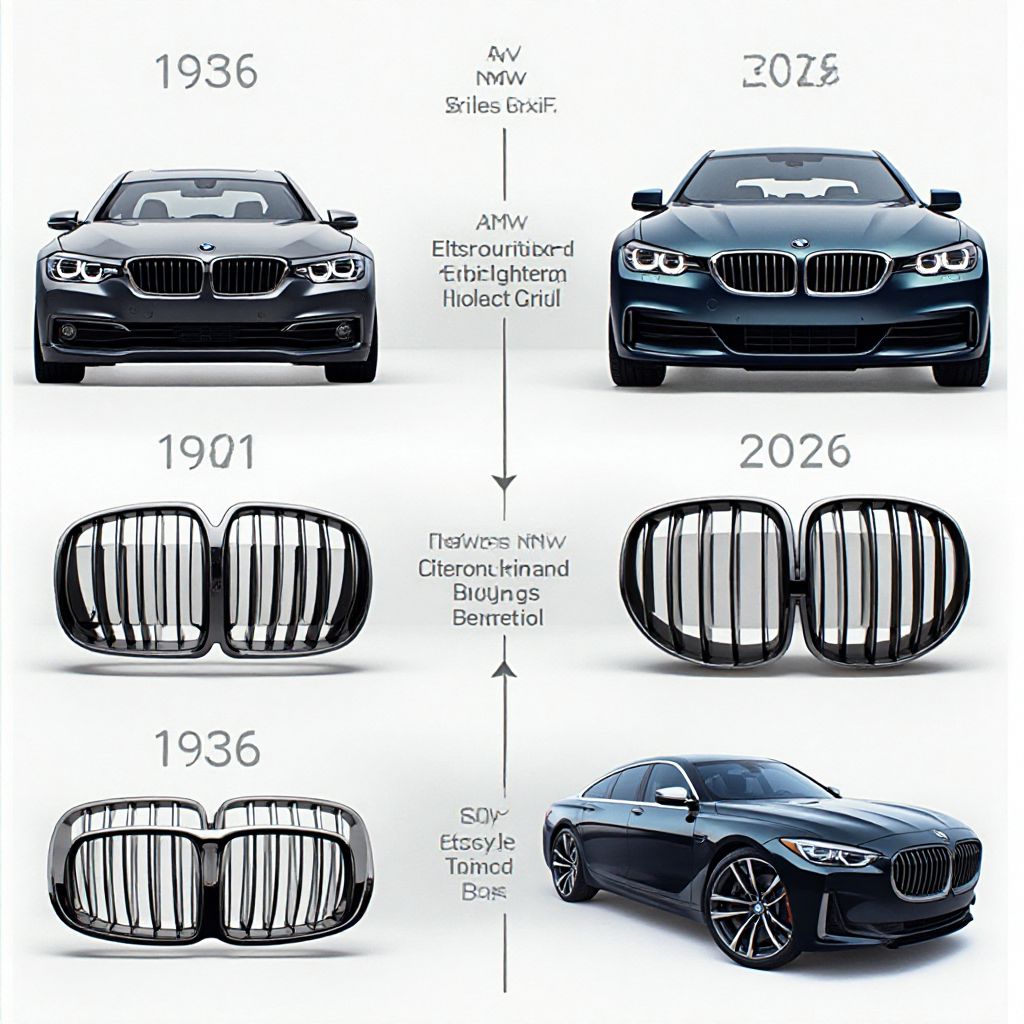
Perhaps BMW's most recognizable design element, the kidney grille has evolved dramatically while maintaining its essential character. From the slender vertical openings on the 1933 BMW 303 to the controversial enlarged versions on modern electric models, the kidney grille has remained BMW's facial signature. Its evolution reflects changing cooling requirements, aerodynamic considerations, and design philosophies across eras. On newer electric models, the grille has transformed from a functional cooling component to a "digital surface" housing sensors and cameras for autonomous driving capabilities. This transformation demonstrates how BMW adapts heritage design elements for new technological needs while maintaining brand recognition.
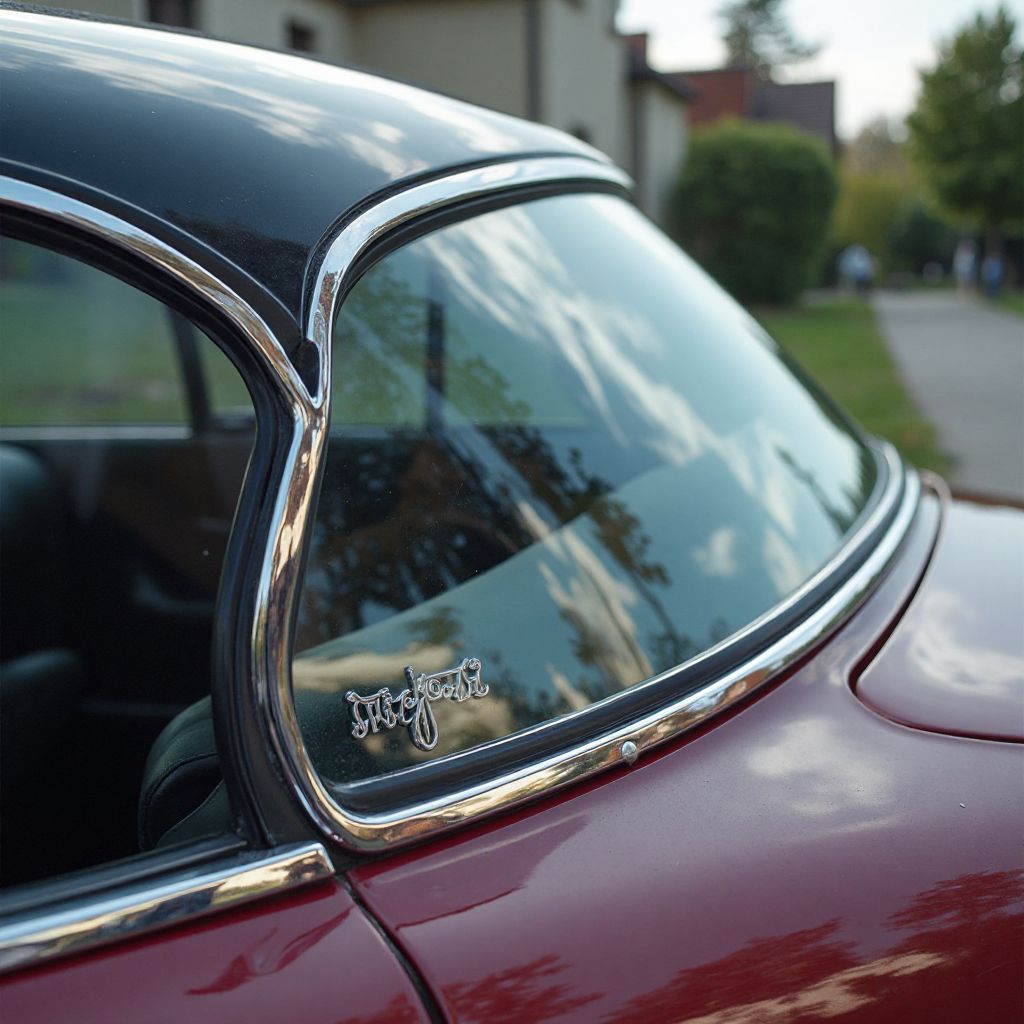
Named after BMW's design director Wilhelm Hofmeister, the distinctive forward-angle curve at the base of the C-pillar has appeared on nearly every BMW since 1961. This seemingly minor design element creates a visual impression of rear-wheel drive dynamics and has become a hallmark of BMW's sporting character. The Hofmeister kink has been interpreted differently across various models and eras, from subtle on sedans to pronounced on coupes, but always conveying the same message of dynamic capability. As BMW transitions to electric platforms with different proportions, designers have found creative ways to preserve this heritage cue, demonstrating the importance of design continuity in maintaining brand identity through technological transitions.
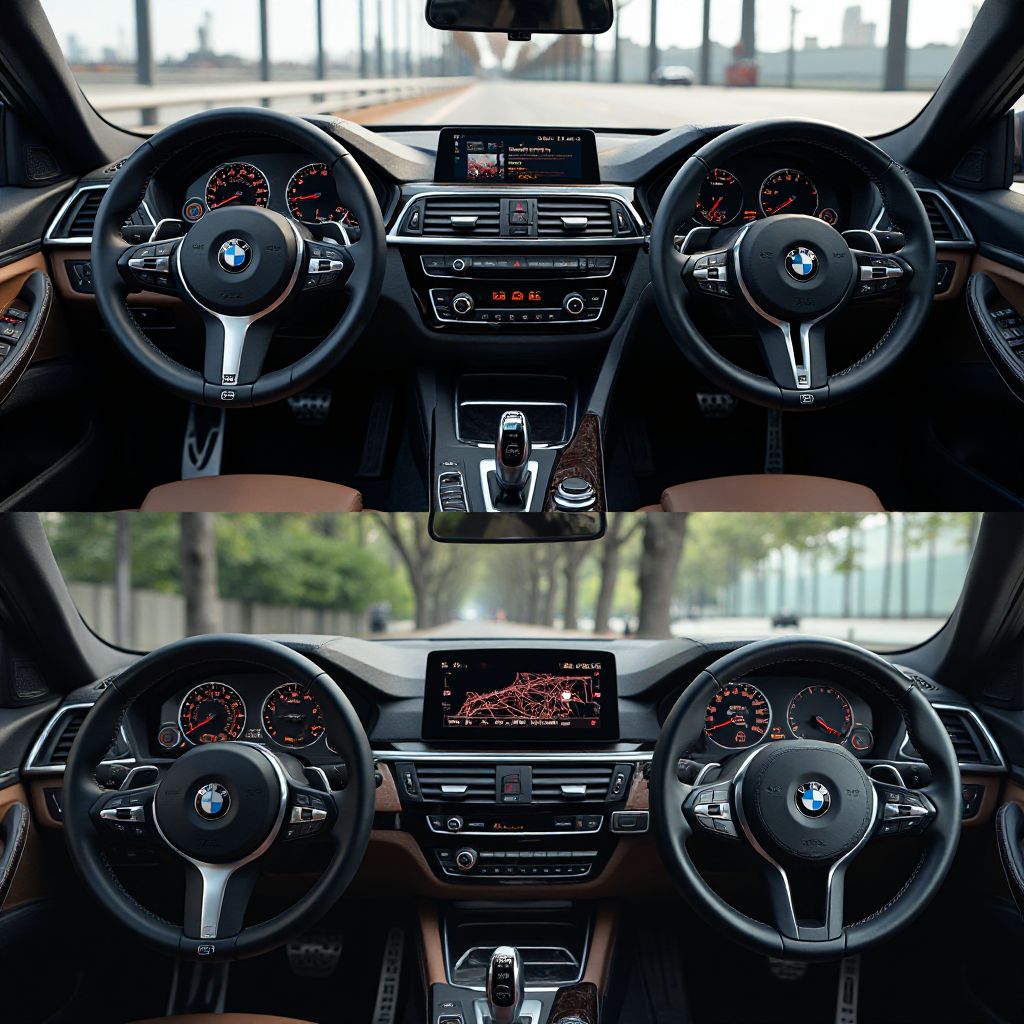
Since the 1970s, BMW has maintained a consistent philosophy of driver-oriented cockpit design. The center console and dashboard typically angle toward the driver, creating an environment where controls fall naturally to hand. This driver-centric approach reflected BMW's commitment to creating "driver's cars" rather than mere transportation. With the digital revolution, this philosophy adapted to incorporate screens and interfaces while maintaining focus on minimizing driver distraction. The introduction of iDrive in 2001 pioneered the concept of a centralized controller for complex functions, an approach now adopted throughout the industry. Modern BMWs balance digital capability with ergonomic excellence, preserving the driver-focused ethos in an increasingly computerized automotive landscape.
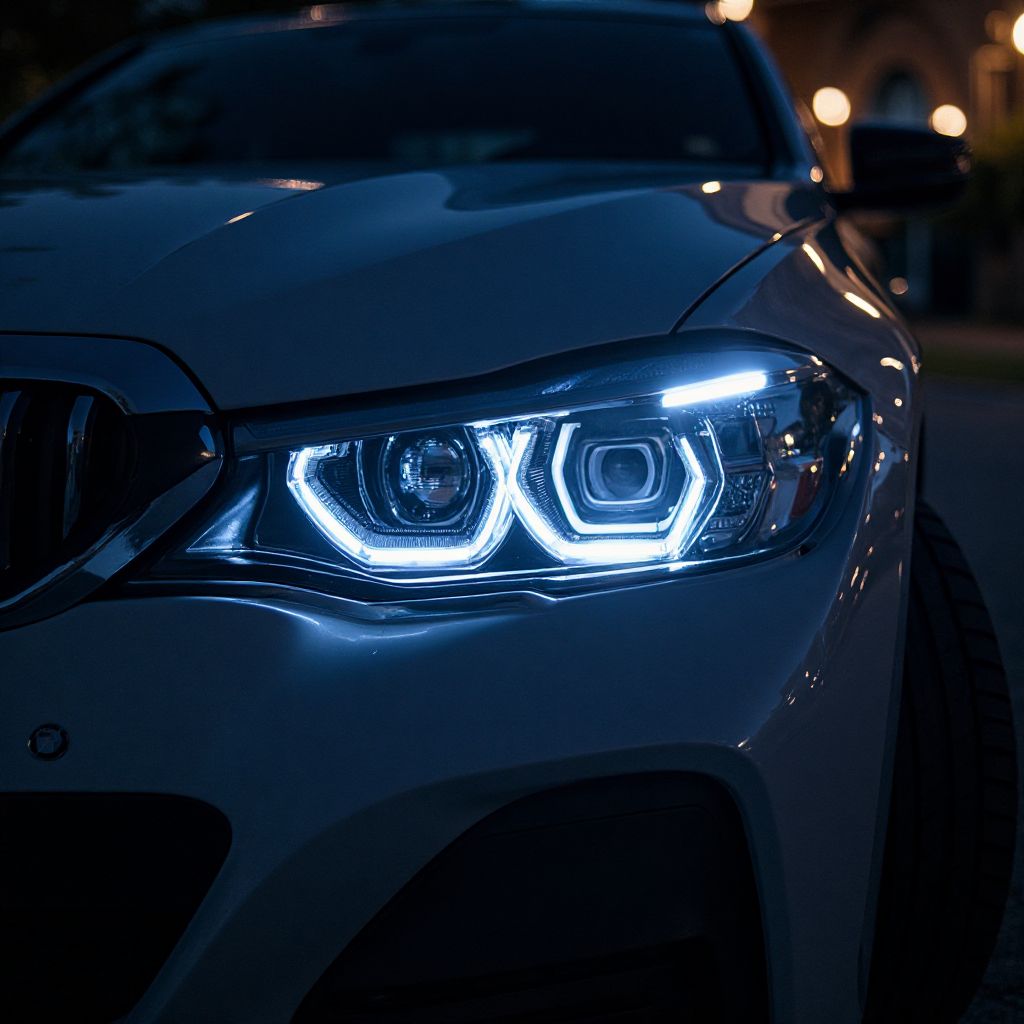
BMW revolutionized automotive lighting with the introduction of the "Angel Eyes" halo headlights on the 2001 E46 5-Series, creating an instantly recognizable light signature that became synonymous with the brand. This innovation began a tradition of lighting as a key design element and brand identifier. As technology evolved from halogen to xenon to LED and laser lighting, BMW consistently used illumination as both functional enhancement and design signature. Modern BMW models feature increasingly complex lighting elements that communicate vehicle status and enhance safety while maintaining brand recognition even in darkness. The evolution of BMW's lighting design demonstrates how functional components can become powerful brand identifiers when approached with consistent creative vision.
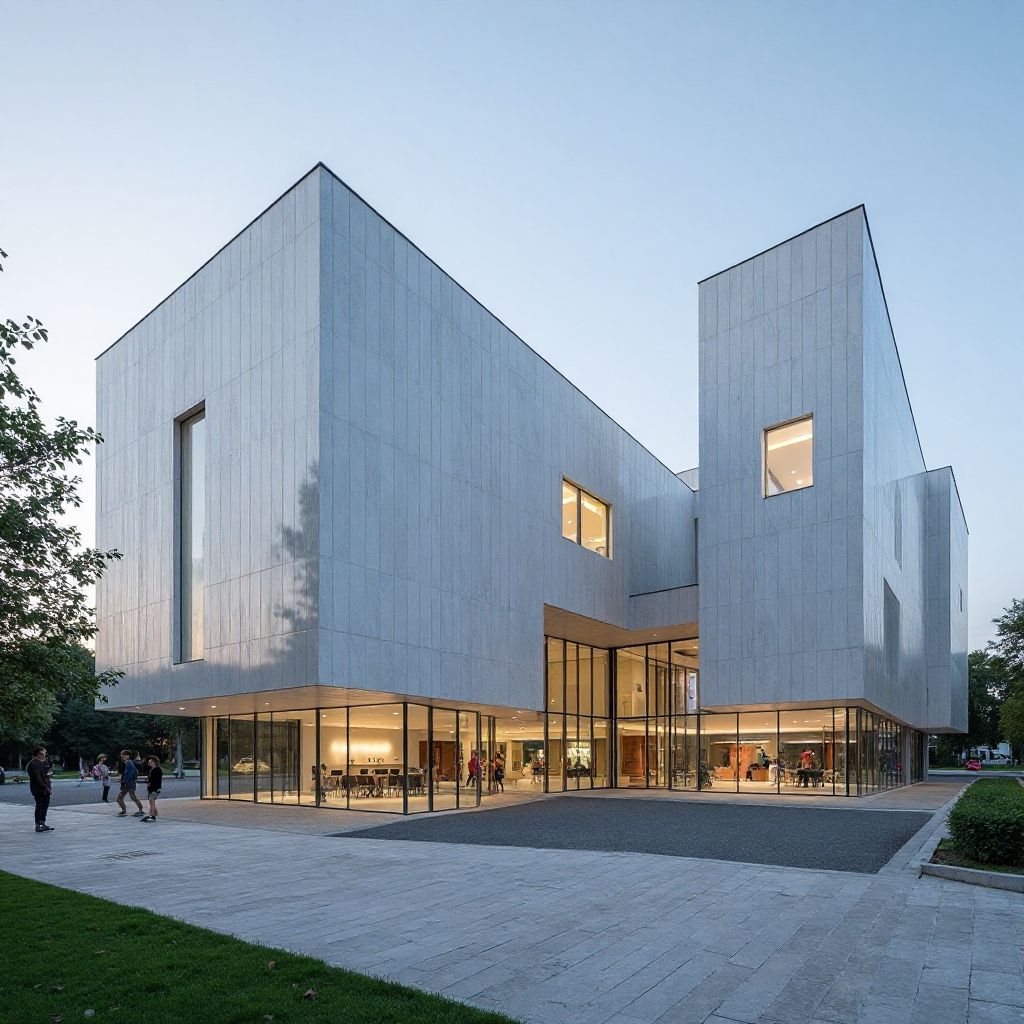
Dive deep into BMW's rich heritage through official historical records maintained by the company since 1916.
Visit BMW Museum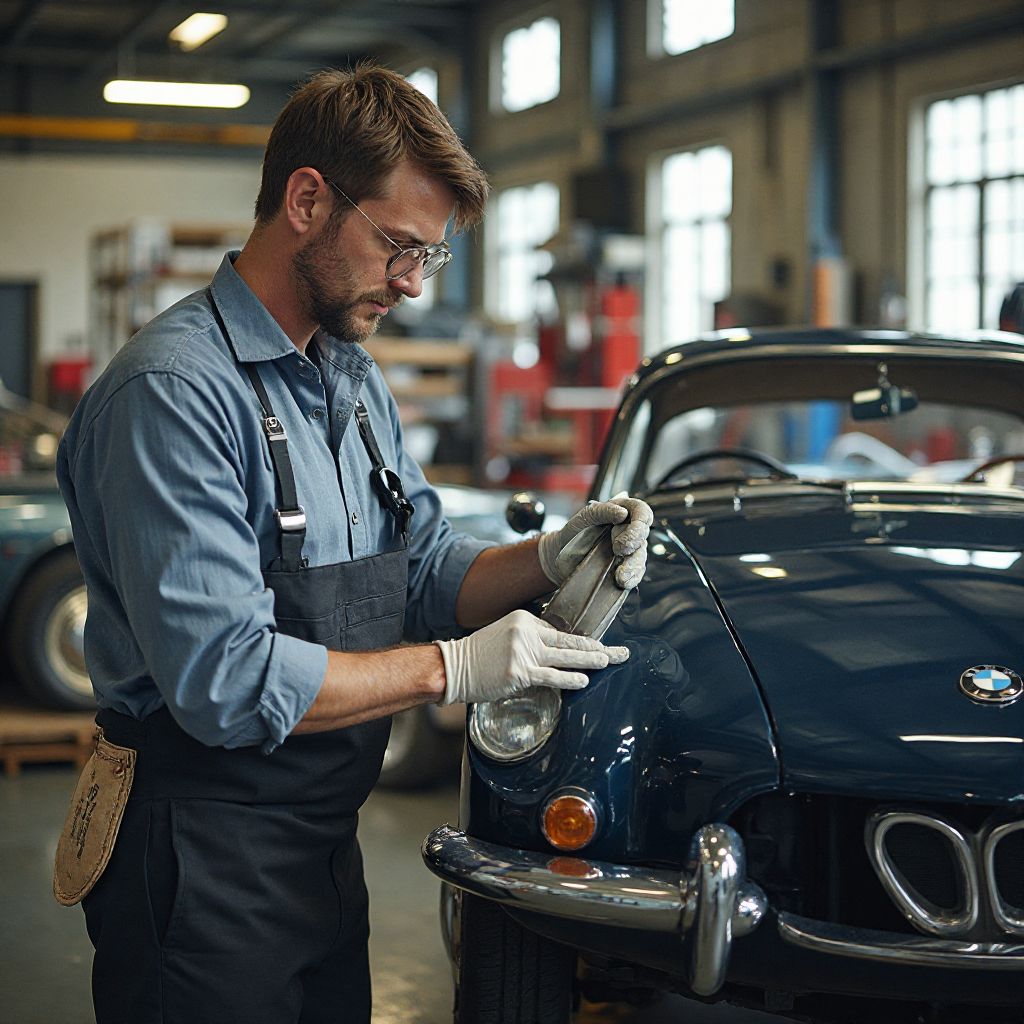
Learn about restoration techniques and services offered by BMW to maintain historical vehicles in pristine condition.
Explore BMW Classic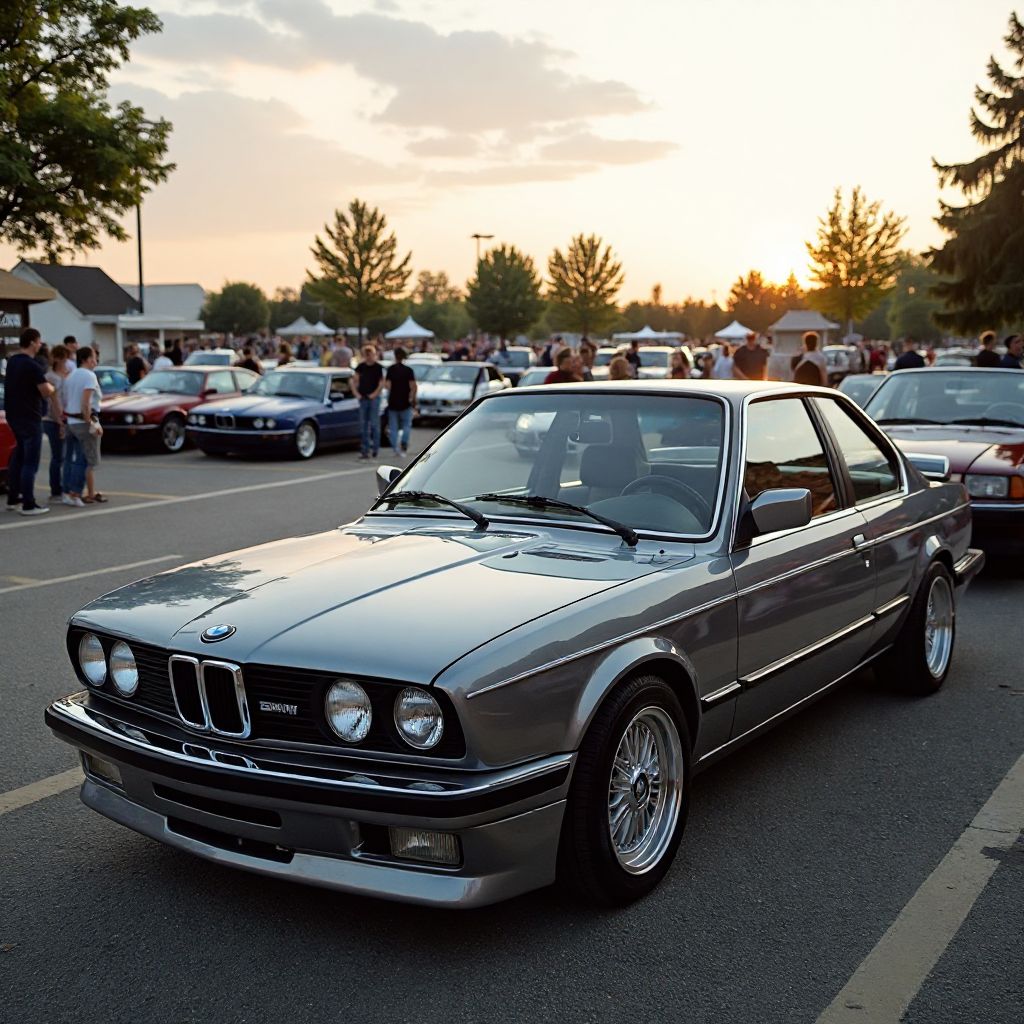
Connect with fellow BMW enthusiasts who preserve and celebrate the brand's legacy across generations.
BMW Car Club of AmericaOver the decades, BMW has cultivated a diverse and passionate owner community that spans generations. From vintage collectors preserving early models to technology enthusiasts embracing the latest innovations, BMW owners share a common appreciation for the brand's commitment to driving dynamics and engineering excellence. The BMW ownership experience extends beyond the vehicle itself to include dedicated events, exclusive access programs, and personalized services that foster deep brand loyalty.
The BMW customer base has evolved from primarily enthusiast drivers in earlier decades to include luxury lifestyle consumers, technology early adopters, and sustainability-focused individuals. This diversification reflects BMW's successful expansion into new market segments while maintaining its core appeal to driving enthusiasts. The emergence of distinct owner communities around specific models—from M car devotees to electric i brand pioneers—demonstrates how BMW creates vehicles that inspire passionate followings and personal identification with the brand's various facets.
Countries with Official BMW Presence
Million BMW Vehicles Manufactured
Owner Loyalty Rate
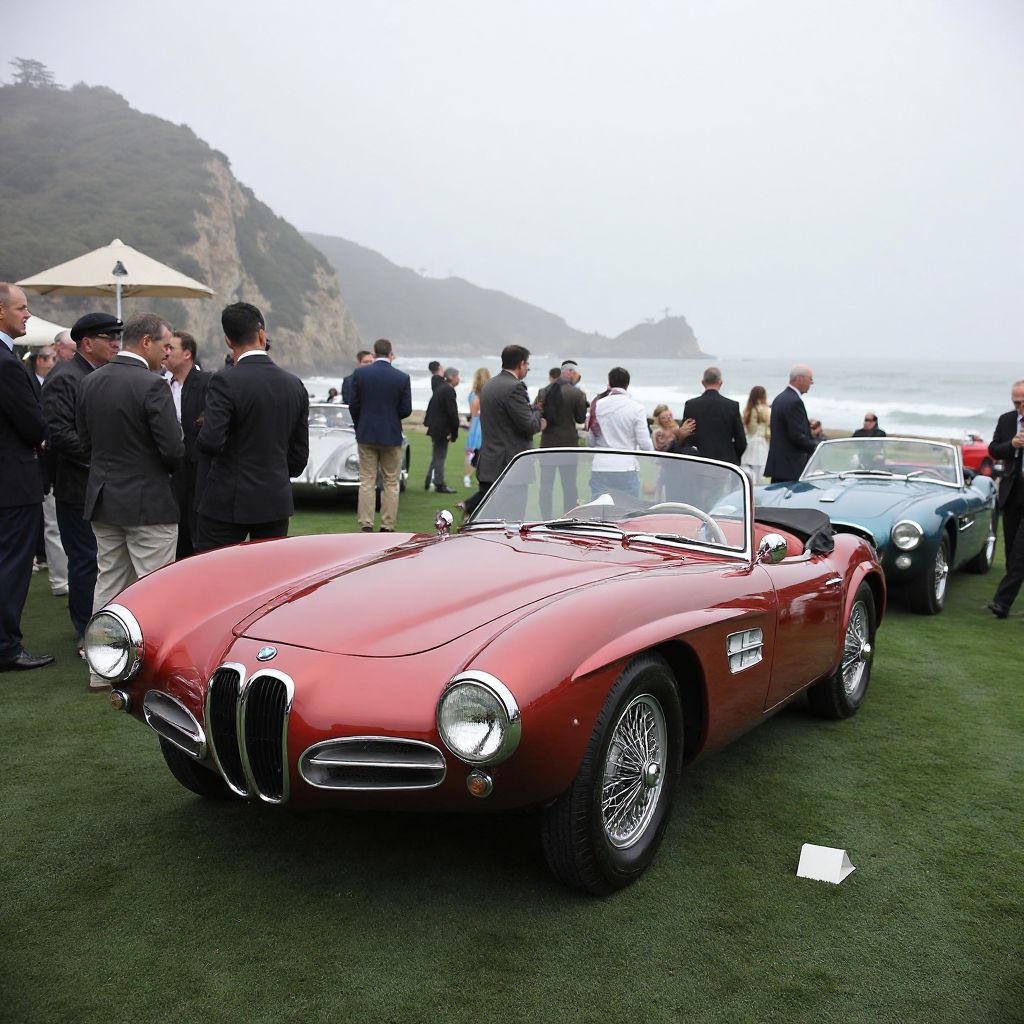
August 15-16, 2023
Experience the most prestigious collection of historical BMW automobiles gathered at this exclusive celebration of automotive excellence and design heritage. Witness rare models from the company's 110-year history alongside contemporary concept vehicles pointing toward the future.
Event Details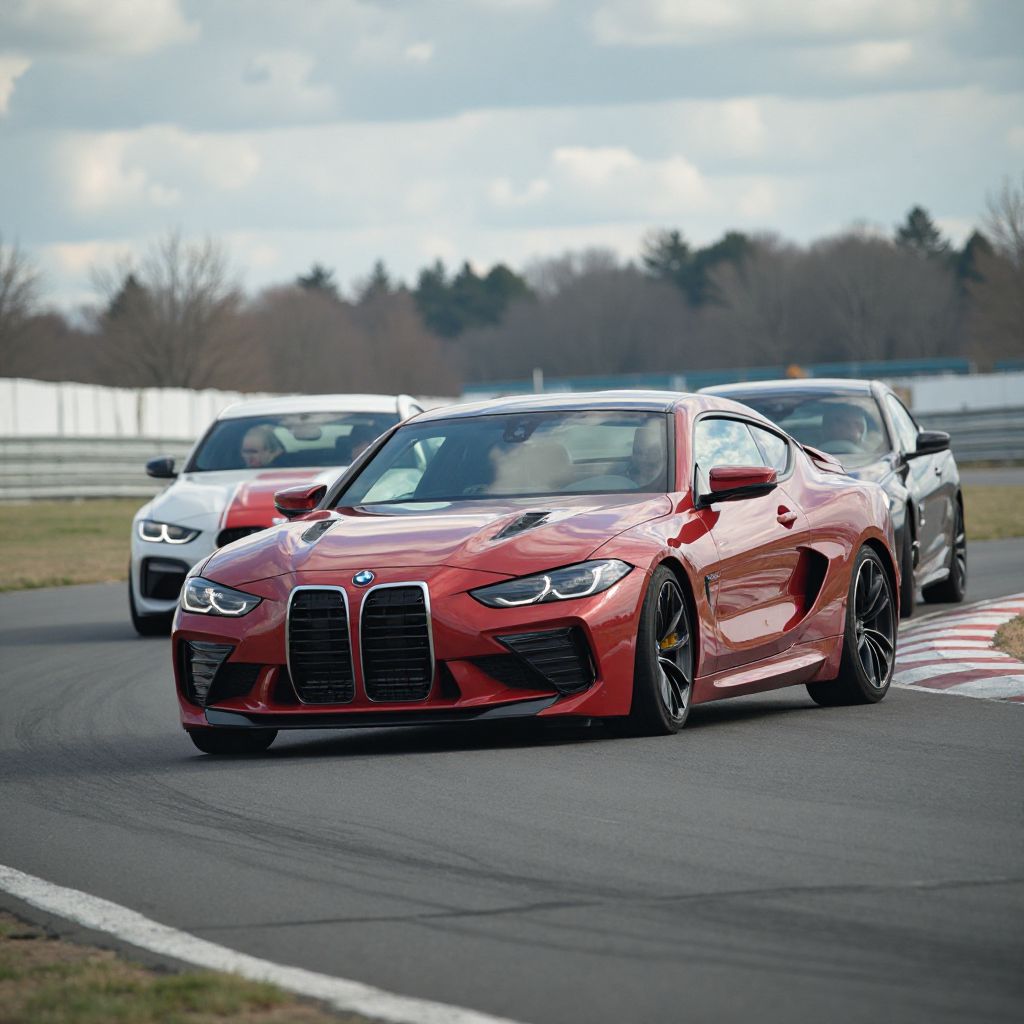
September 22-24, 2023
Drive iconic M models from each generation, from the original M1 to the latest M performance vehicles. Professional instructors guide participants through the evolution of BMW's motorsport-derived technology and handling characteristics.
Event Details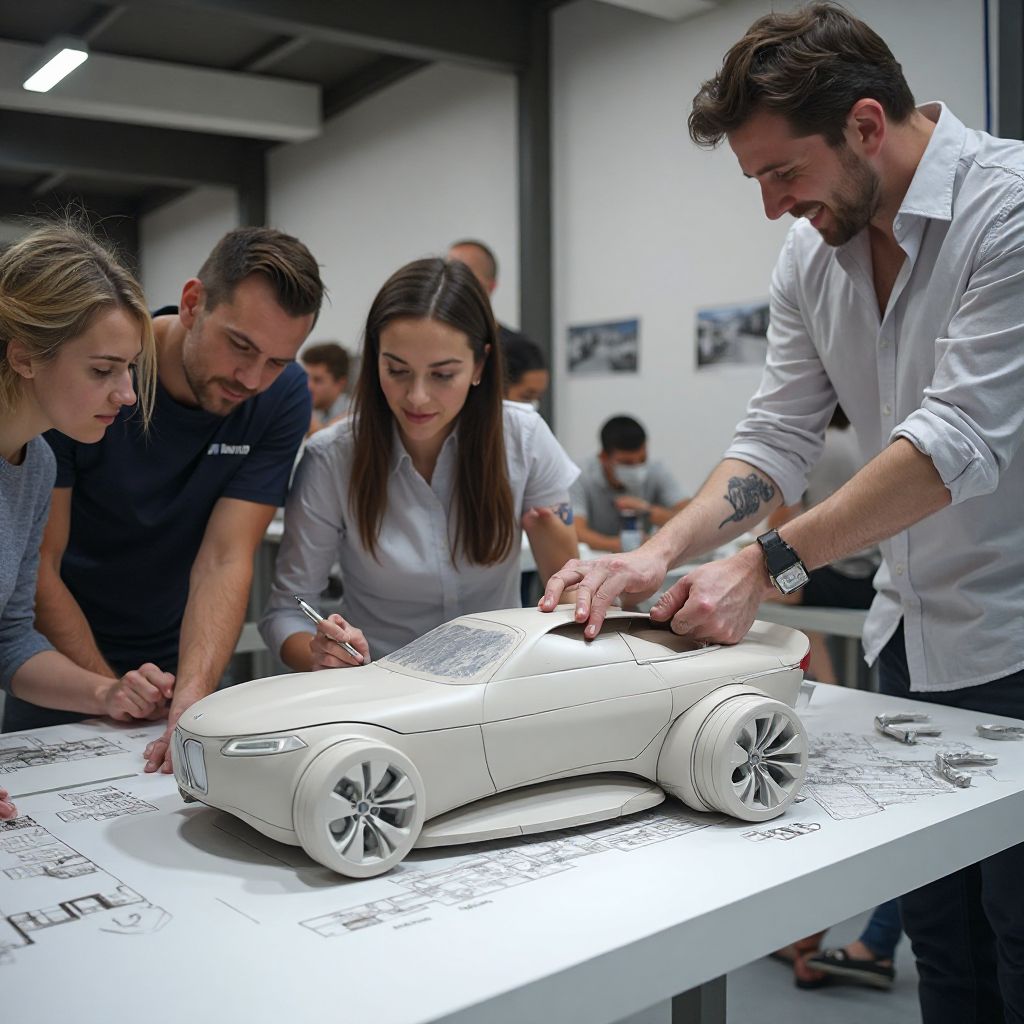
October 10-11, 2023
Join BMW's lead designers for an interactive exploration of the company's design philosophy from historical models to future concepts. This symposium includes exclusive previews of design directions for models leading up to 2026.
Event Details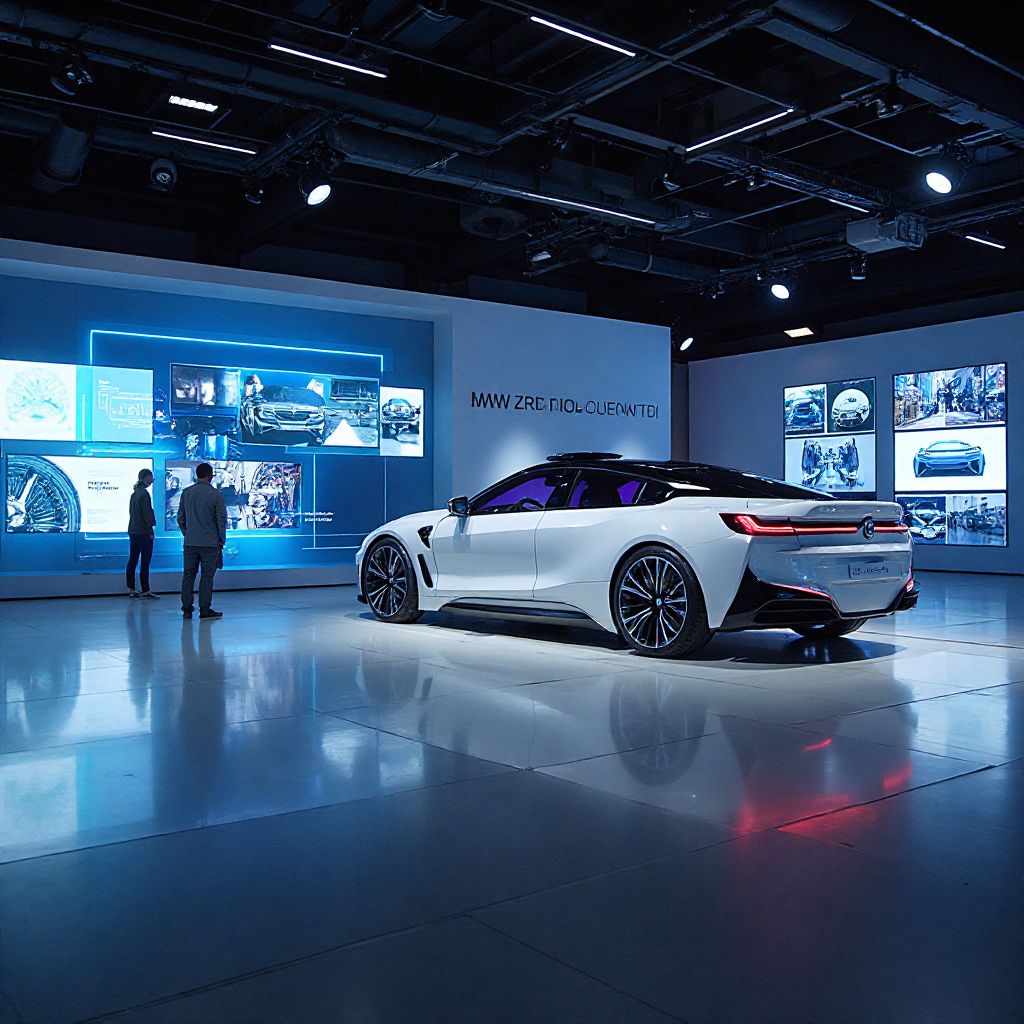
November 18-19, 2023
This unique exhibition traces BMW's technological breakthroughs from the aircraft engines of 1916 through mechanical innovations of mid-century models to the digital and electric revolution of contemporary vehicles.
Event DetailsThis comprehensive documentary traces BMW's evolution from aircraft engine manufacturer to global automotive leader. Follow the journey through wars, economic challenges, and technological revolutions that shaped the company's identity and direction. Featuring rare historical footage and interviews with BMW designers, engineers, and executives who shaped the brand's most iconic models.
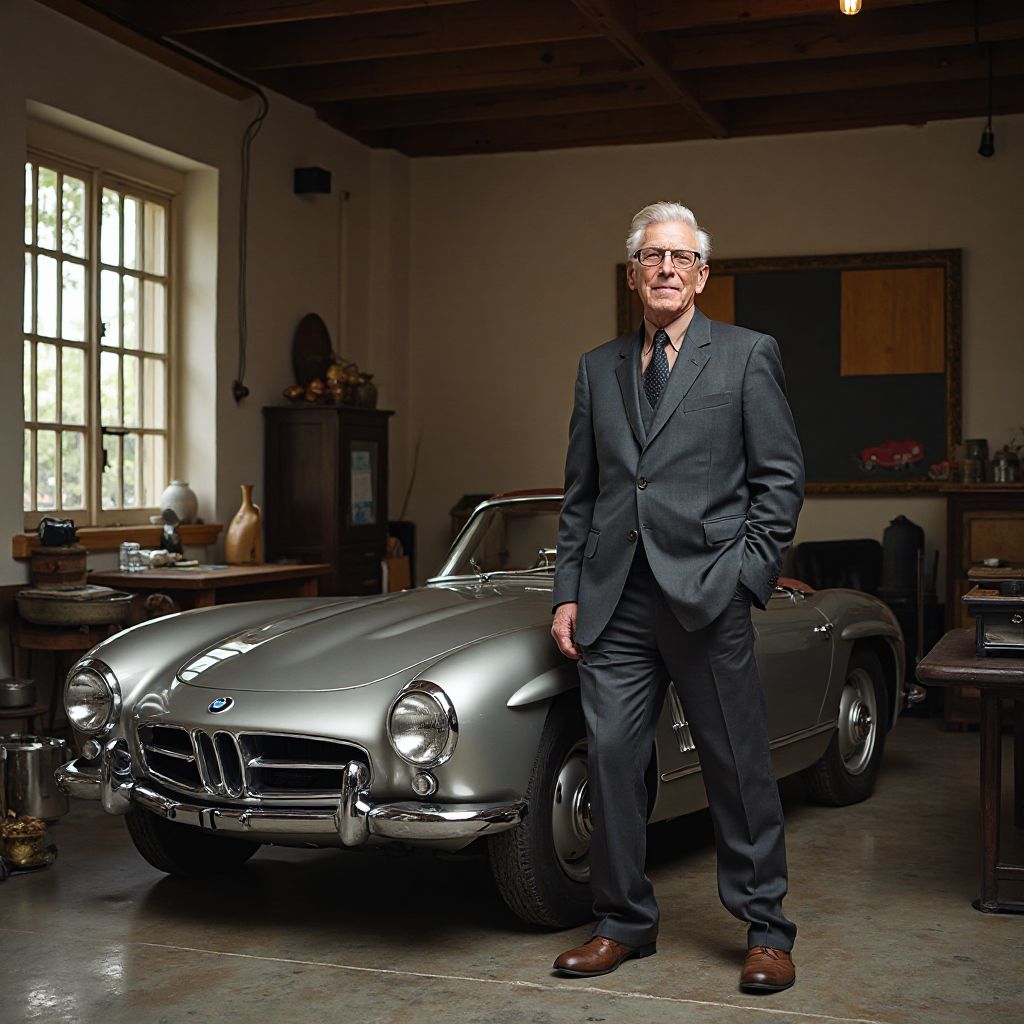
"Having restored over a dozen classic BMWs from the 1950s and 60s, I've developed a deep appreciation for how the company's engineering philosophy has remained consistent despite technological evolution. Each era has its unique character, but the fundamental BMW DNA—precision engineering with a focus on the driving experience—remains identifiable across generations."
- Michael Hoffman, Vintage BMW Collector since 1975
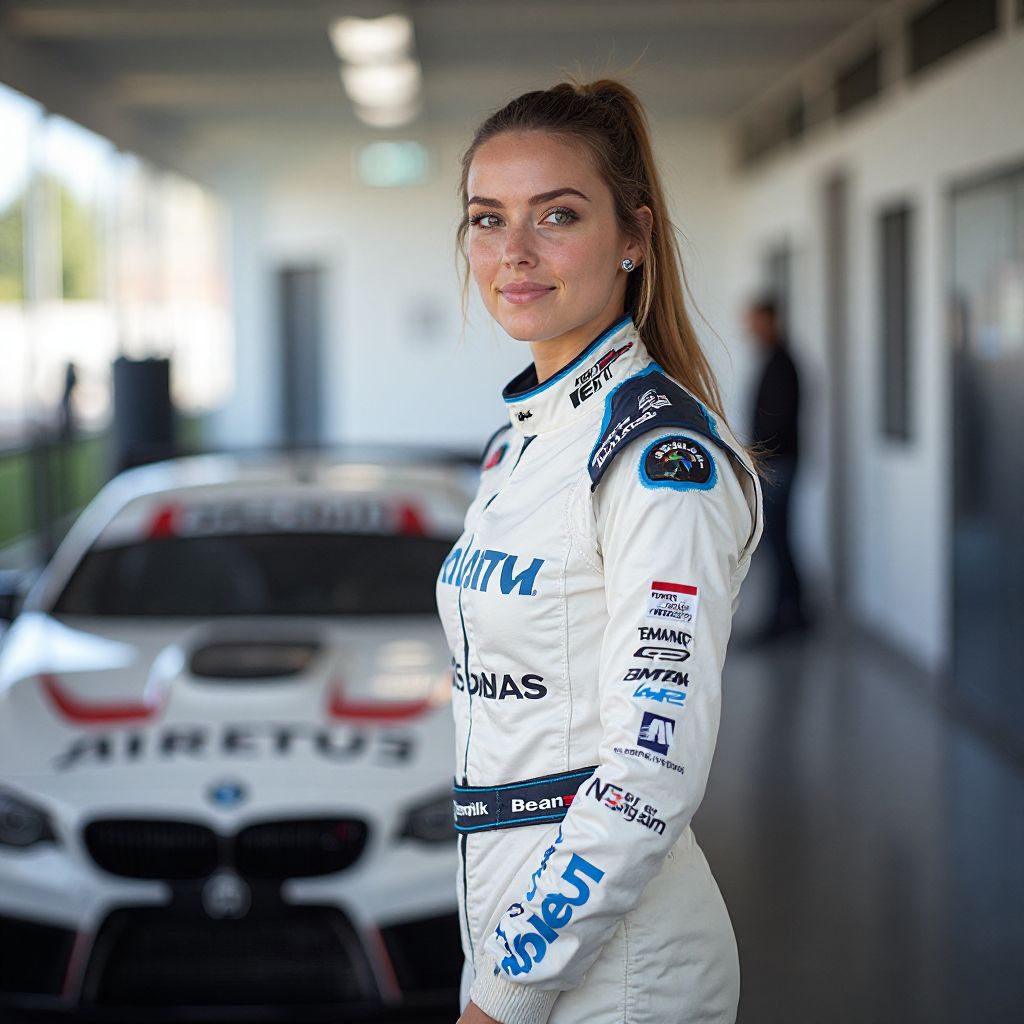
"From my first amateur race in an E30 M3 to competing professionally in the current M4 GT3, BMW's racing heritage isn't just marketing—it's embedded in how the cars respond at the limit. What impresses me most is how technologies developed for motorsport have consistently informed the development of road cars, creating that distinctive BMW handling character."
- Sophia Rodriguez, Professional BMW Motorsport Driver

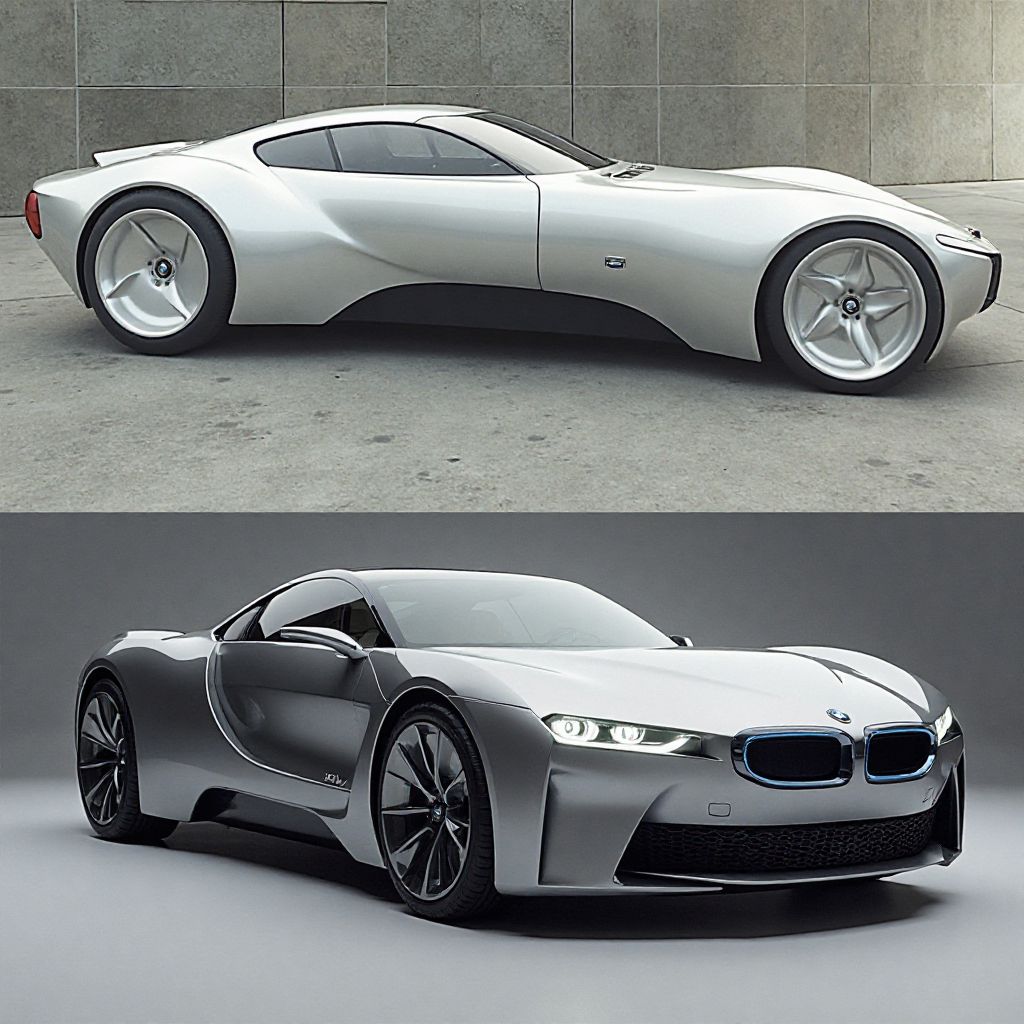
"What fascinates me about BMW's design evolution is how the company has navigated the tension between tradition and innovation. The kidney grille, Hofmeister kink, and twin circular headlights have been continuously reinterpreted rather than abandoned. This approach creates a visual language that connects a 1930s 328 roadster to a 2026 electric concept car despite the vast technological differences between them."
- Dr. Elena Weber, Automotive Design Historian
Whether you're researching BMW history for academic purposes, seeking information about a specific historical model, or interested in our upcoming exhibitions and events, our dedicated heritage team is available to assist you.
Monday - Friday: 9:00 AM - 6:00 PM CET
Saturday: 10:00 AM - 4:00 PM CET
Sunday: Closed
August 15-16, 2023
Pebble Beach, California
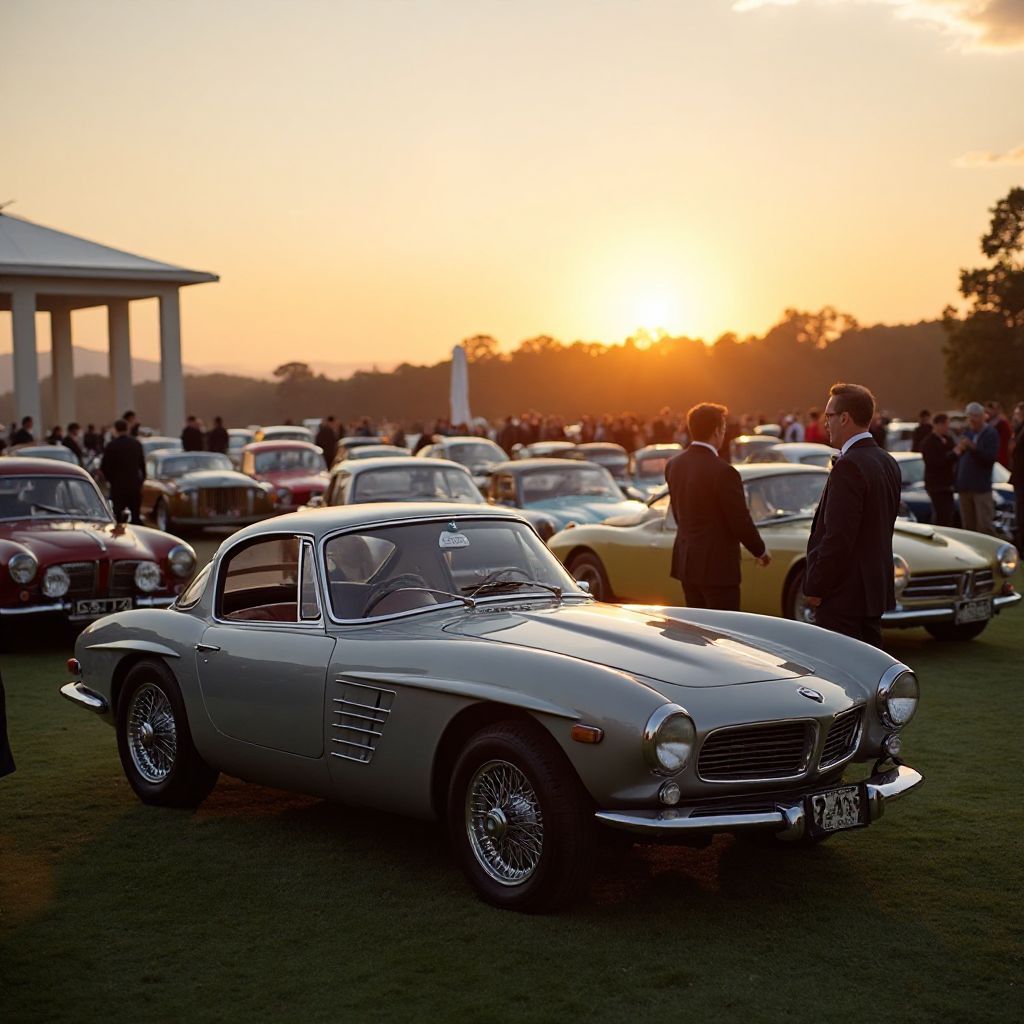
The BMW Annual Concours d'Elegance brings together the most significant and pristine examples of BMW automobiles from the company's 110-year history. This exclusive event features rare models from private collections around the world, many seldom seen in public.
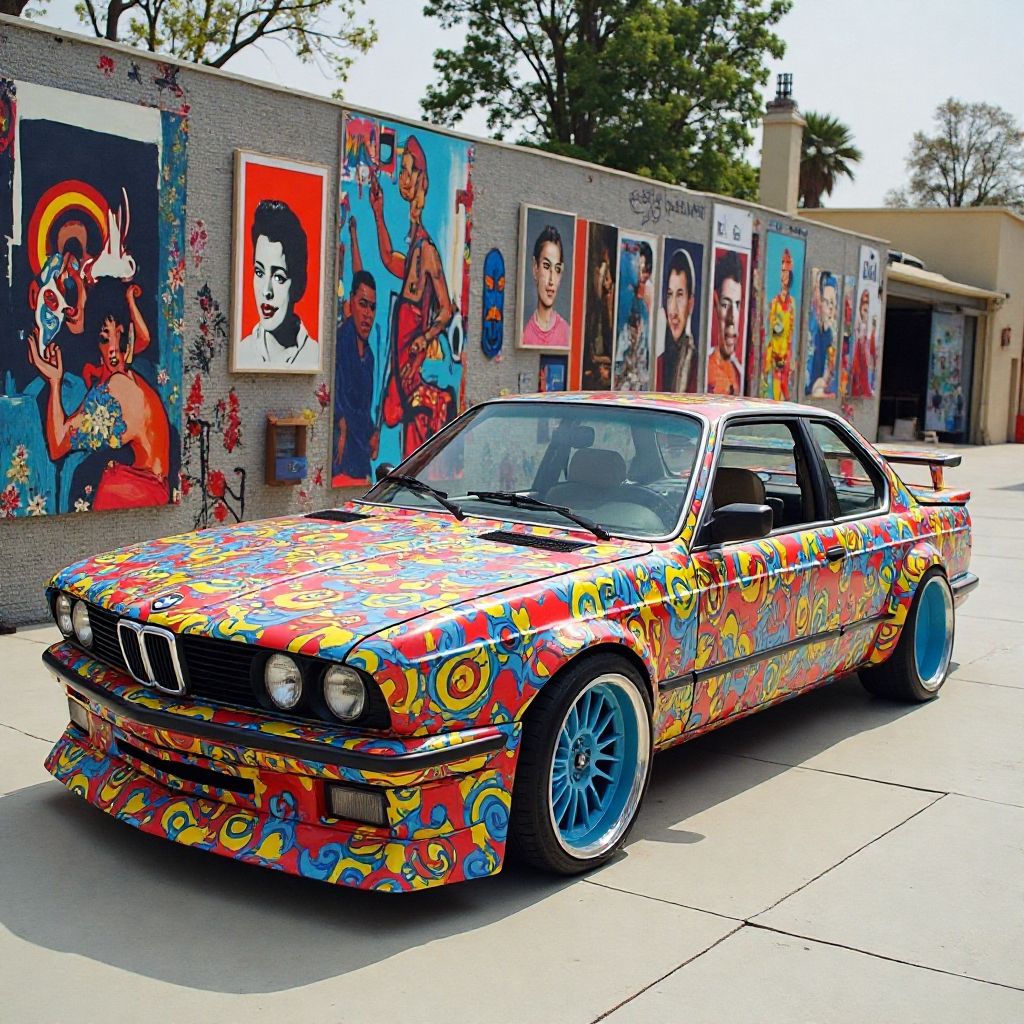
This year's special exhibition focuses on "The Art of BMW Roadsters," tracing the lineage from the iconic 328 of the 1930s through the 507 of the 1950s to modern interpretations. BMW design chiefs will present exclusive insights into how these designs have influenced contemporary models.
September 22-24, 2023
Nürburgring, Germany
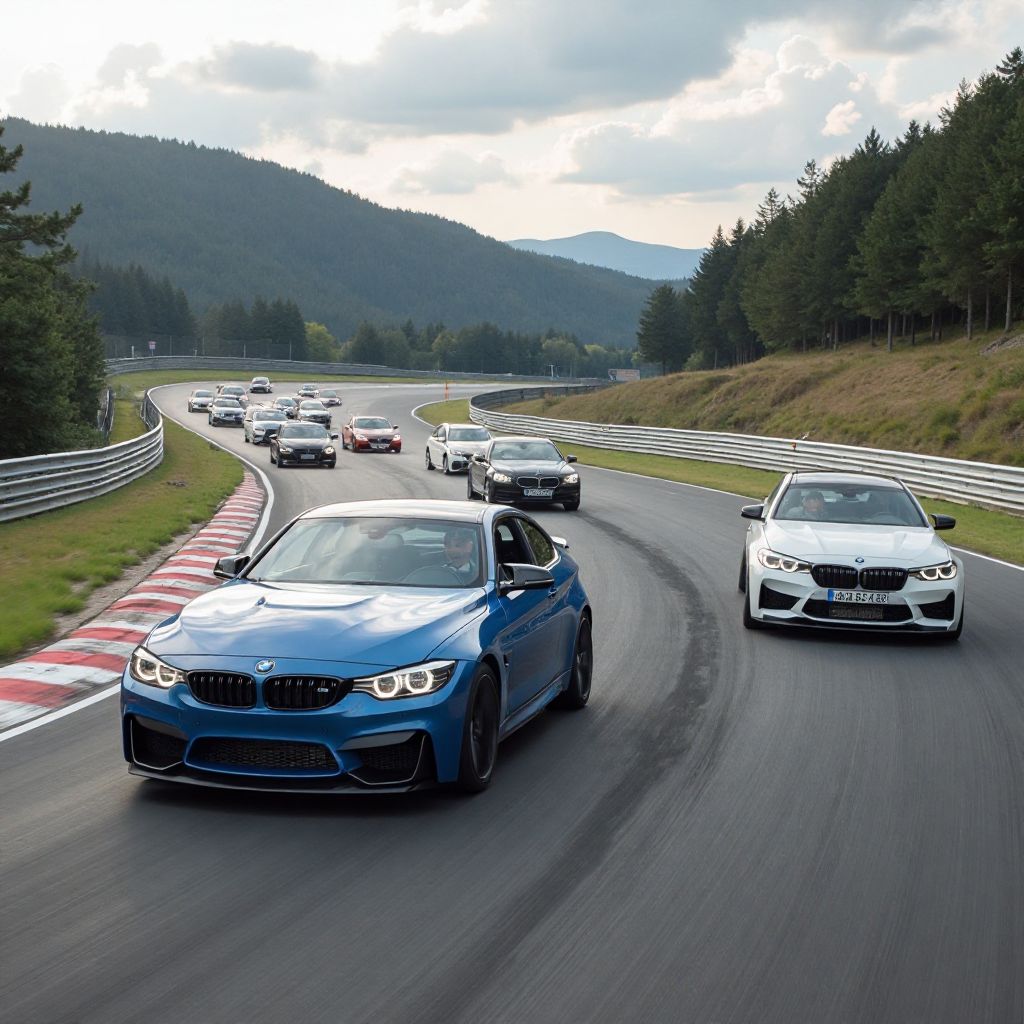
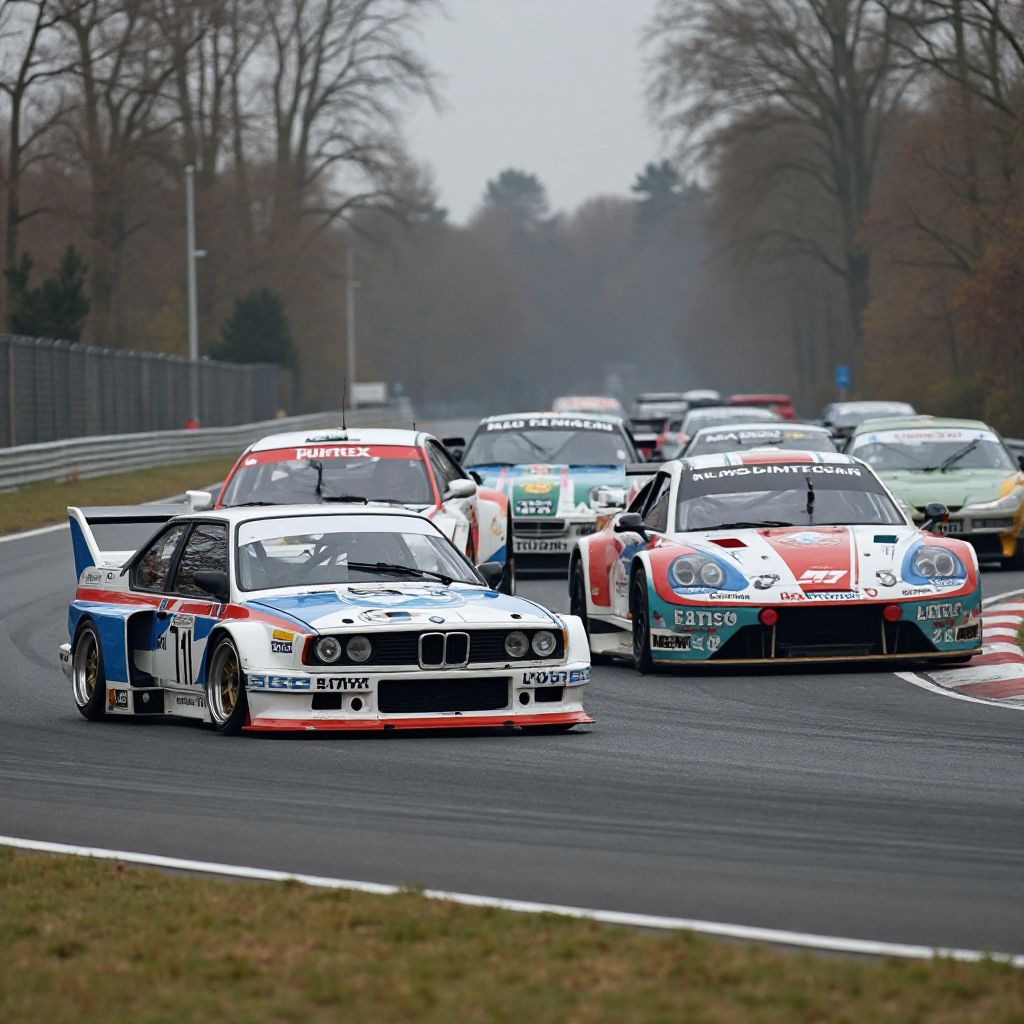
Experience the evolution of BMW M performance across five decades with this exclusive track event at the legendary Nürburgring, where many M models were developed and tested. Participants will drive multiple generations of M vehicles back-to-back to understand the progression of BMW's performance engineering.
BMW Motorsport engineers and professional drivers will provide technical insights and driving instruction, explaining how technologies developed for competition influenced each generation of M cars. Historical M prototypes from BMW's private collection will also be demonstrated on track.
October 10-11, 2023
BMW Designworks, California
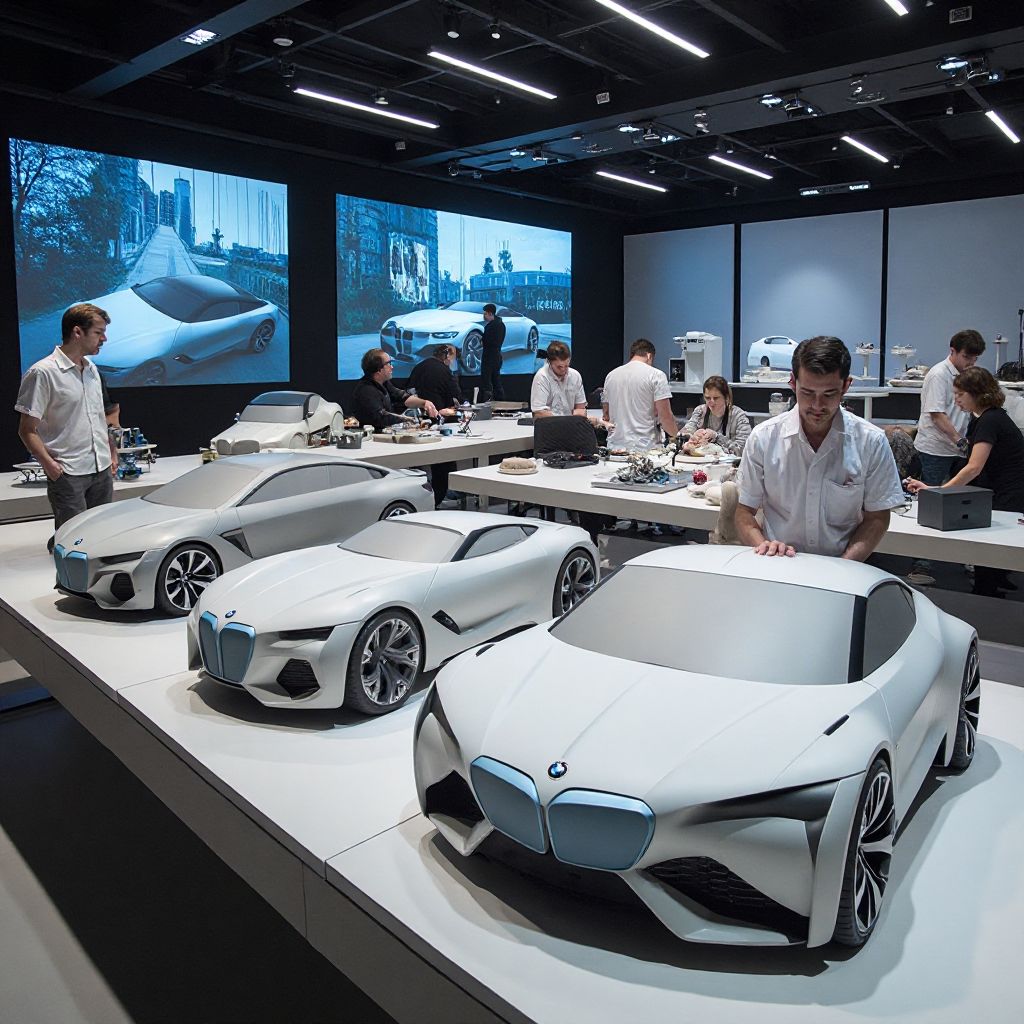
Join BMW's global design leadership for a rare behind-the-scenes exploration of the company's design philosophy and future direction. This symposium will trace the evolution of BMW design language from historical models through to upcoming concepts for 2026 and beyond.
Participants will engage in interactive sessions exploring how BMW balances innovation with heritage, incorporating new technologies and sustainability requirements while maintaining brand identity. The symposium includes exclusive previews of design concepts not yet shown to the public.
November 18-19, 2023
BMW Welt, Munich
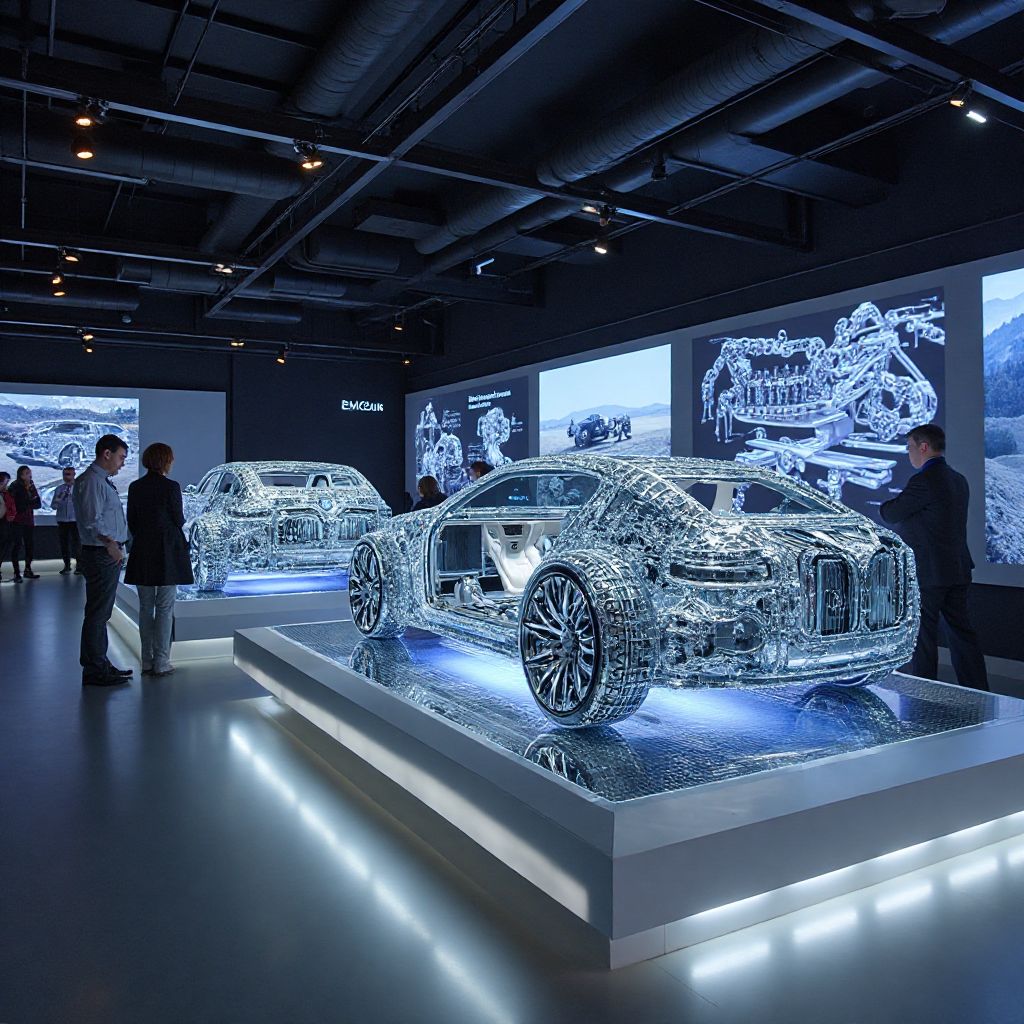
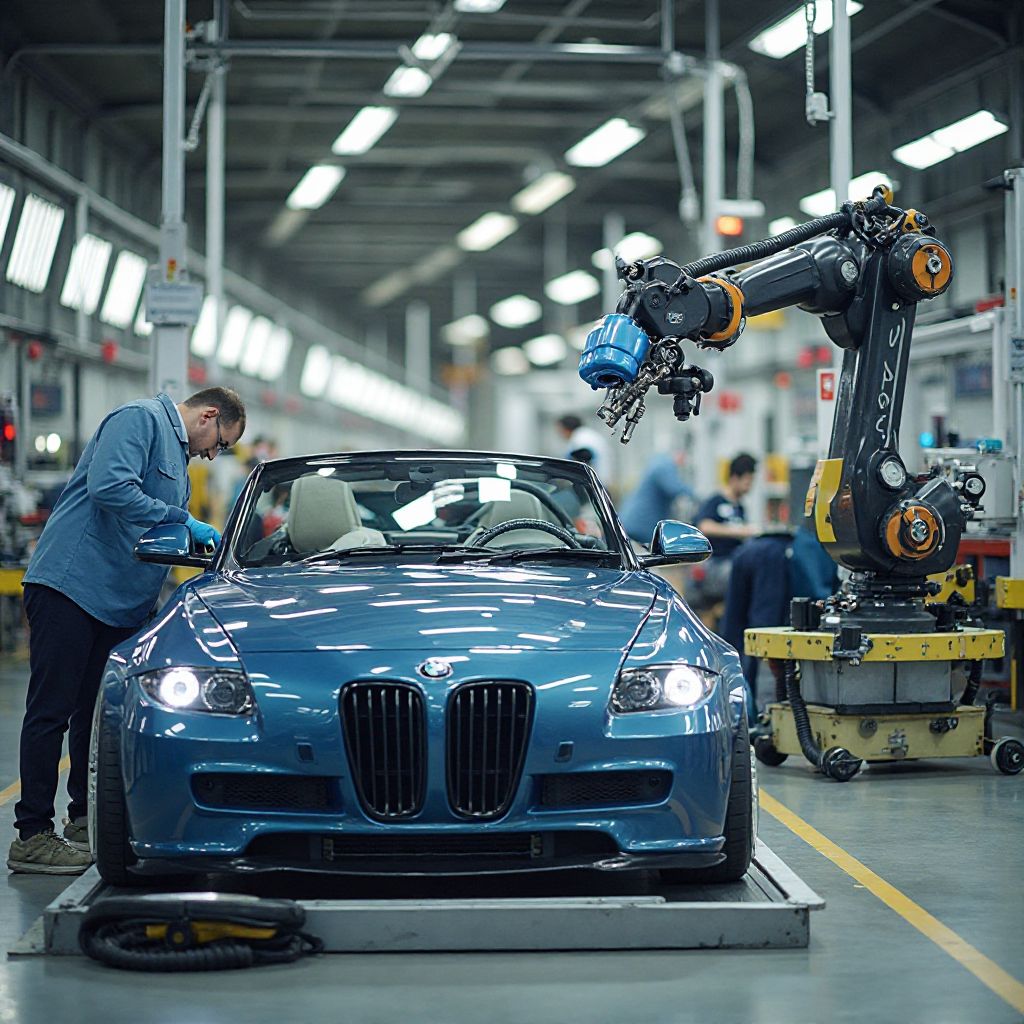
This comprehensive exhibition traces BMW's technological innovations from its founding as an aircraft engine manufacturer through its transformation into a leader in automotive engineering, electronics, and sustainable mobility. Featuring functional displays, cutaway models, and interactive demonstrations that explain complex technologies in accessible ways.
Special focus will be given to breakthrough innovations that defined each era, from the company's first inline-six engines to the revolutionary turbo Formula One engines, early digital engine management systems, carbon fiber production methods, and the latest electric drivetrain technologies.